When Is the Best Time for Hydroseeding in Minneapolis MN?
- May 21
- 5 min read
Hydroseeding has become one of the most popular lawn installation methods for homeowners and property managers throughout Minneapolis, Minnesota. It offers an affordable, efficient way to establish thick, healthy grass while covering large areas more quickly than traditional seeding.
But timing matters. Minneapolis experiences long winters, freeze-thaw cycles, humid summers, and unpredictable spring weather, all of which can affect seed germination and lawn establishment.
If you are planning a hydroseeding project, understanding the best time of year to hydroseed in Minneapolis can significantly improve your results and help reduce maintenance problems during the early growth stages.
In most cases, the best times for hydroseeding in Minneapolis are:
Late spring (May through June)
Early fall (late August through September)
These seasons provide the ideal combination of soil warmth, moisture, and moderate temperatures needed for successful cool-season grass growth.
What Is Hydroseeding?
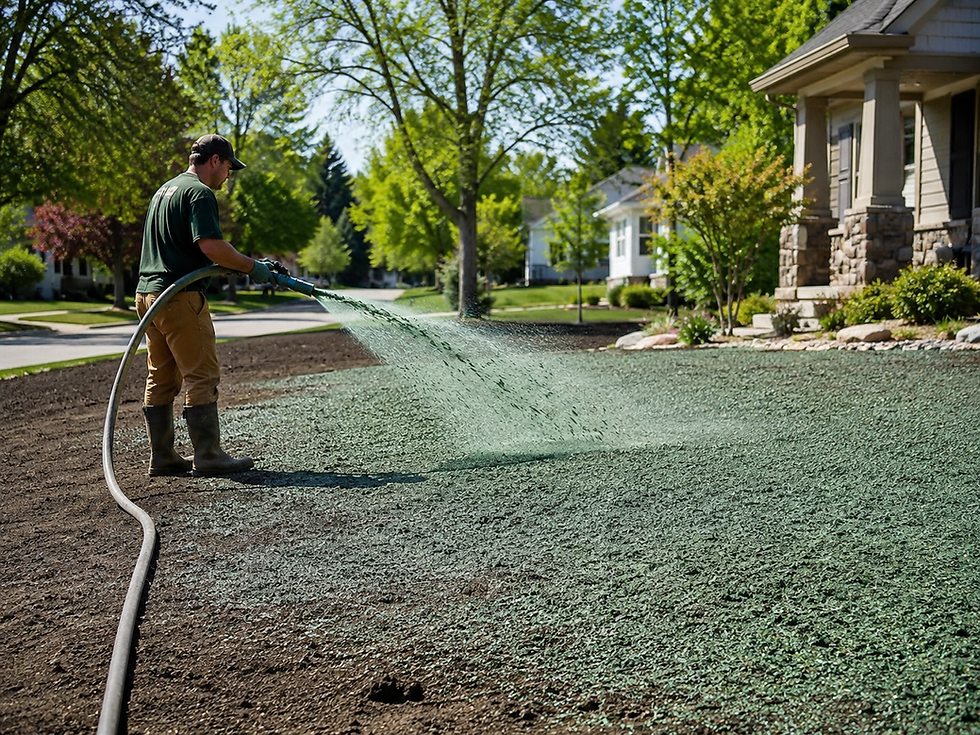
Hydroseeding is a lawn establishment process that sprays a slurry mixture containing:
Grass seed
Water
Fertilizer
Mulch
Tackifier
onto prepared soil.
The mulch layer helps:
Retain moisture
Reduce erosion
Protect seed during germination
Improve seed-to-soil contact
Hydroseeding is commonly used for:
Residential lawns
New construction
Sloped properties
Erosion control
Commercial landscaping
Large lawn renovations
Why Timing Matters in Minneapolis MN
Minnesota’s climate creates a shorter growing season than many southern states.
Successful hydroseeding depends heavily on:
Soil temperature
Moisture availability
Air temperature
Weed competition
Rainfall patterns
Planting at the wrong time can lead to:
Poor germination
Seed washout
Weed growth
Heat stress
Winter damage
Choosing the right season helps maximize seed establishment and long-term lawn health.
Best Time to Hydroseed: Spring
Late Spring Is One of the Most Popular Seasons
Hydroseeding projects in Minneapolis typically increase during:
May
Early June
During this period:
Soil temperatures warm up
Grass enters active growth
Rainfall becomes more consistent
Cool-season grasses such as:
Kentucky bluegrass
Perennial ryegrass
Tall fescue
perform especially well during spring establishment.
Advantages of Spring Hydroseeding
Faster Germination
Moderate spring temperatures help seed germinate quickly.
Natural Rainfall Support
Spring moisture can reduce irrigation demands.
Longer Growing Season
Grass has time to establish before winter arrives.
Spring Challenges
Although spring is excellent for hydroseeding, homeowners should still monitor:
Heavy rain erosion
Weed competition
Temperature swings
Excessive rainfall may wash seed from steep slopes if erosion control is not installed properly.
Best Time to Hydroseed: Fall
Many lawn professionals consider early fall the best overall hydroseeding season in Minneapolis.
Ideal Fall Window
Late August
September
Early October (weather dependent)
Why Fall Works So Well
Cooler Temperatures
Lower temperatures reduce heat stress on young grass.
Warm Soil Conditions
The soil remains warm from summer, helping seeds germinate quickly.
Reduced Weed Pressure
Many aggressive weeds begin slowing down in fall.
Strong Root Development
Grass focuses energy on root growth before winter dormancy.
Fall hydroseeding often produces thicker lawns with fewer weed problems.
Summer Hydroseeding in Minneapolis
Summer hydroseeding is possible but requires significantly more maintenance.
Common Summer Challenges
Heat stress
Drought conditions
Rapid moisture loss
Increased watering needs
Young seedlings may struggle during:
Hot July afternoons
Extended dry periods
Intense sun exposure
When Summer Hydroseeding Makes Sense
Some projects cannot wait until fall or spring, including:
New home construction
Drainage repairs
Erosion emergencies
Professional contractors can still achieve successful summer results with proper irrigation planning.
Winter Hydroseeding Considerations
Traditional hydroseeding is generally not recommended during Minneapolis winters because:
Soil freezes
Germination stops
Moisture becomes inconsistent
However, dormant seeding may occasionally be used late in the season under specific conditions.
Average Hydroseeding Costs in Minneapolis MN
Hydroseeding is typically far more affordable than sod installation.
Typical Hydroseeding Pricing
Project Type | Estimated Cost |
Small residential lawn | $1,500–$4,000 |
Medium lawn installation | $4,000–$8,000 |
Large or sloped property | $8,000–$20,000+ |
Average Price Per Square Foot
Hydroseeding: $0.10–$0.30 per sq. ft.
Sod installation: $1.00–$2.50 per sq. ft.
Pricing depends on:
Soil preparation
Property size
Slope conditions
Seed blend selection
Erosion control needs
Irrigation access
Best Grass Types for Minneapolis Hydroseeding
Kentucky Bluegrass
One of the most popular Minnesota lawn grasses because it:
Handles cold winters well
Produces dense turf
Self-repairs through rhizomes
Tall Fescue
Tall fescue is becoming more common because of:
Better drought tolerance
Deep root systems
Lower watering requirements
Perennial Ryegrass
Ryegrass germinates quickly and is often included in blends to:
Stabilize soil faster
Improve early coverage
Most hydroseed applications use a custom blend designed for Minnesota’s climate.
Homeowner Concerns About Hydroseeding
1. Will Heavy Rain Wash Seed Away?
Proper hydroseeding mixtures include tackifiers that help mulch adhere to the soil surface.
Steeper properties may also require:
Straw blankets
Erosion matting
Additional stabilization
2. How Long Does Hydroseeding Take to Grow?
Typical germination timelines:
Ryegrass: 5–10 days
Fescue: 7–14 days
Bluegrass: 14–30 days
3. Is Hydroseeding Better Than Sod?
Hydroseeding offers:
Lower cost
Better root integration
Easier coverage for large areas
Sod provides instant green coverage but costs significantly more.
4. How Much Water Does Hydroseeding Need?
New hydroseed generally requires:
2–4 light waterings daily during germination
Consistency is critical during the first month.
How to Care for New Hydroseeding
Proper maintenance after application includes:
Frequent watering
Avoiding foot traffic
Delaying mowing
Monitoring for erosion
Most lawns are ready for the first mowing once grass reaches:
3–4 inches tall
Frequently Asked Questions
1. What is the best month to hydroseed in Minneapolis?
May, June, late August, and September are usually ideal.
2. Is fall better than spring for hydroseeding?
Many professionals prefer fall because of lower weed pressure and cooler temperatures.
3. How long does hydroseed take to germinate?
Most lawns begin germinating within 7–14 days.
4. Can hydroseeding survive Minnesota winters?
Yes, once properly established.
5. How often should hydroseed be watered?
Usually 2–4 times daily during early germination.
6. Is hydroseeding cheaper than sod?
Yes. Hydroseeding is significantly more affordable.
7. Can rain ruin hydroseeding?
Heavy rain can cause erosion without proper stabilization.
8. What grass works best in Minneapolis?
Kentucky bluegrass and turf-type fescue blends perform very well.
9. When can I mow hydroseeded grass?
Usually after 4–6 weeks.
10. Is hydroseeding good for slopes?
Yes. Hydroseeding is commonly used for erosion control on sloped areas.
Contact Our Minneapolis MN Hydroseeding Team
Choosing the right season for hydroseeding can make a major difference in lawn quality, germination success, and long-term maintenance.
Our Minneapolis hydroseeding and lawn installation specialists provide professional hydroseeding, grading, erosion control, sod installation, and lawn restoration services throughout the Twin Cities and surrounding Minnesota communities.
Whether you’re establishing a new lawn, repairing damaged turf, or improving a large property, we can help you choose the best timing and seed blend for your project.
Contact us today to schedule your hydroseeding consultation and receive a customized estimate for your property.


Comments