How to Fix Sod Shrinkage in Richfield MN
- Jun 17
- 5 min read
Sod installation is one of the fastest ways to establish a beautiful lawn, but homeowners are sometimes surprised when gaps begin appearing between sod rolls after installation. This issue, commonly known as sod shrinkage, can make an otherwise healthy lawn look uneven and unfinished.
If you're wondering how to fix sod shrinkage in Richfield MN, you're not alone. Sod shrinkage is a common concern throughout the Minneapolis metro area, especially during periods of hot weather, inconsistent watering, or poor soil preparation. The good news is that most cases can be corrected before they become major lawn problems.
Understanding what causes sod shrinkage and how to address it can help restore your lawn's appearance and encourage healthy long-term growth.
What Is Sod Shrinkage?
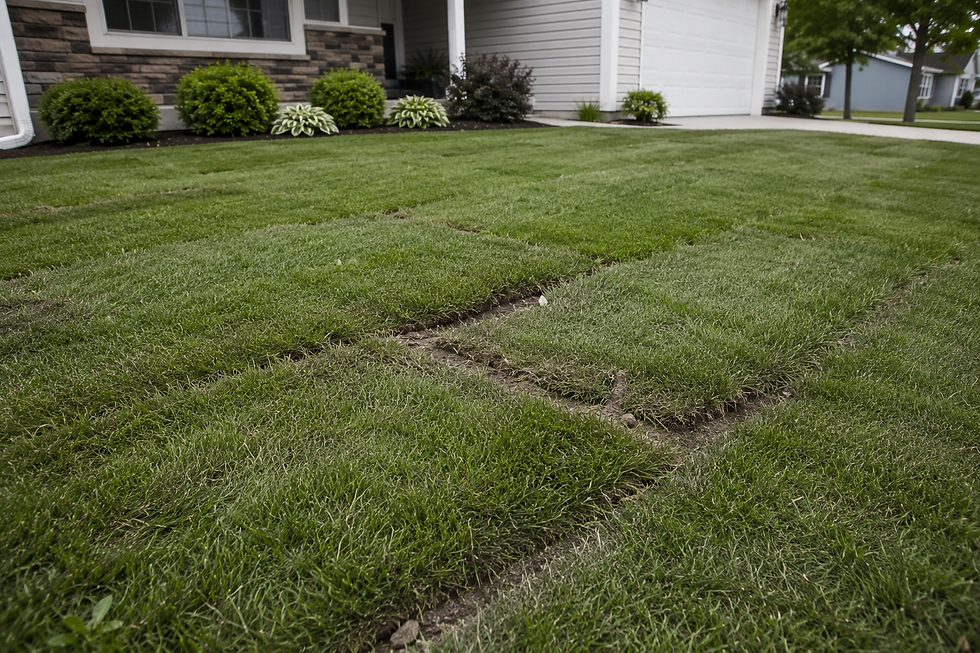
Sod shrinkage occurs when installed sod contracts as it loses moisture, creating visible gaps between individual rolls or sections.
Common signs include:
Spaces between sod seams
Uneven turf coverage
Exposed soil lines
Dry edges along sod joints
Patchy lawn appearance
Some minor settling is normal, but significant gaps usually indicate underlying issues that should be corrected.
How to Fix Sod Shrinkage in Richfield MN
The best solution depends on the severity of the shrinkage and the condition of the lawn.
Common fixes include:
Improving watering practices
Topdressing small gaps
Overseeding affected areas
Filling seams with soil
Installing replacement sod sections
Correcting soil preparation issues
Early intervention usually produces the best results.
Why Sod Shrinkage Happens
Understanding the cause helps determine the proper solution.
Inadequate Watering
The most common cause of sod shrinkage is insufficient watering during establishment.
New sod requires consistent moisture while roots develop.
When sod dries out:
Turf contracts
Edges pull apart
Gaps become visible
Root growth slows
Even a few days of inadequate watering during hot weather can contribute to shrinkage.
Improper Soil Preparation
Poor soil preparation can lead to uneven settling and weak root establishment.
Common issues include:
Compacted soil
Uneven grading
Poor topsoil quality
Construction debris
Inadequate soil amendments
Proper preparation creates a stable base for sod installation.
Installation During Hot Weather
Richfield summers often bring temperatures that stress newly installed lawns.
Heat can increase:
Moisture loss
Sod contraction
Establishment challenges
Summer installations require more intensive watering than spring or fall projects.
Poor Sod-to-Soil Contact
Sod needs direct contact with prepared soil to establish roots quickly.
If gaps exist beneath the sod:
Roots struggle to develop
Moisture retention decreases
Shrinkage becomes more likely
Professional installation typically includes rolling the sod to improve contact.
How to Repair Minor Sod Gaps
Small gaps often repair easily.
Add Quality Topsoil
For narrow seams:
Fill gaps with screened topsoil.
Level the surface carefully.
Water thoroughly.
Allow grass to spread naturally.
Kentucky bluegrass, commonly used in Minnesota sod, can gradually fill small spaces through rhizome growth.
Overseed the Area
If gaps remain visible:
Apply grass seed
Cover lightly with soil
Maintain consistent moisture
This approach works particularly well for gaps less than 1–2 inches wide.
When Sod Replacement Is Necessary
Larger gaps may require replacement.
Signs replacement may be needed include:
Significant shrinkage
Dead sod sections
Extensive soil exposure
Severe drying damage
Typical sod replacement costs include:
$1.50–$4.00+ per sq. ft.
The cost depends on accessibility, preparation requirements, and lawn size.
Watering Recommendations for New Sod
Proper watering remains the best prevention method.
First Two Weeks
New sod generally requires:
Frequent watering
Consistently moist soil
Daily monitoring
The goal is to prevent drying without creating standing water.
Weeks Three and Four
As roots develop:
Water less frequently
Increase watering depth
Encourage deeper rooting
Established Sod
After rooting:
Water deeply
Water less often
Monitor weather conditions
Proper watering promotes stronger turf and reduces future shrinkage.
Soil Preparation Matters
One of the best ways to avoid shrinkage is proper preparation before installation.
Recommended preparation includes:
Removing existing vegetation
Loosening compacted soil
Adding quality topsoil
Fine grading
Correcting drainage issues
Typical soil preparation costs include:
Lawn Grading
$900–$5,000+
Topsoil Installation
$40–$80 per cubic yard installed
Site Preparation
$500–$5,000+
Investing in preparation often reduces future lawn repair costs.
Richfield Climate Considerations
Richfield experiences weather conditions that can affect sod establishment.
Spring Installation
Spring offers:
Cooler temperatures
Natural rainfall
Reduced stress
Many contractors consider spring an excellent installation season.
Summer Installation
Summer can increase the risk of:
Sod shrinkage
Drying
Water stress
Careful irrigation becomes critical.
Fall Installation
Fall often provides:
Warm soil temperatures
Cooler air temperatures
Reduced evaporation
Many Minnesota lawn professionals prefer fall for sod installation.
Preventing Sod Shrinkage
The best repair is prevention.
Recommended practices include:
Proper Installation
Ensure:
Tight sod seams
Good soil contact
Professional grading
Quality soil preparation
Consistent Watering
Monitor:
Soil moisture
Weather conditions
Turf appearance
Avoid Traffic
Keep foot traffic off newly installed sod until roots establish.
Fertilization
Proper nutrition supports:
Root growth
Turf density
Faster establishment
Typical lawn fertilization costs:
$50–$150+ per application
$250–$800+ annually
Common Homeowner Concerns
"Will sod seams disappear?"
In many cases, yes. Healthy sod often grows together and fills small gaps over time.
"Can I add soil between seams?"
Yes. Small gaps are commonly filled with topsoil and overseeded if necessary.
"How quickly should I fix shrinkage?"
As soon as possible. Early repairs help prevent weeds and further turf stress.
"Will the gaps fill naturally?"
Kentucky bluegrass can spread into small openings, but larger gaps may require intervention.
Typical Sod Installation Costs in Richfield
For homeowners considering repairs or replacement:
Sod installation: $1.00–$3.00 per sq. ft.
Sod replacement: $1.50–$4.00+ per sq. ft.
Overseeding: $0.10–$0.30 per sq. ft.
Lawn grading: $900–$5,000+
Topsoil installation: $40–$80 per cubic yard
Repair costs are usually much lower than full lawn replacement.
Frequently Asked Questions
1. What causes sod shrinkage?
Insufficient watering, poor soil preparation, heat stress, and improper installation are common causes.
2. Can sod shrinkage be fixed?
Yes. Most cases can be repaired through watering adjustments, topdressing, overseeding, or sod replacement.
3. Will sod seams disappear over time?
Healthy sod often grows together and fills minor gaps naturally.
4. Should I add soil between sod seams?
Yes. Small gaps are often filled with quality topsoil.
5. How much does sod replacement cost?
Typically $1.50–$4.00+ per sq. ft.
6. Is sod shrinkage common in Minnesota?
Yes. It can occur during hot weather or when watering is inconsistent.
7. Can overseeding fix sod gaps?
Yes. Overseeding works well for smaller gaps.
8. Does summer installation increase shrinkage risk?
Yes. Heat and evaporation create additional challenges.
9. How can I prevent sod shrinkage?
Proper watering, soil preparation, and professional installation are the most effective prevention methods.
Get Professional Help for Sod Repairs
If your lawn is developing gaps, exposed seams, or signs of sod shrinkage, professional evaluation can help identify the cause and determine the best solution. Our Minneapolis-area Sod & Hydroseed team specializes in sod installation, lawn repair, grading, overseeding, and complete lawn renovation services. Contact us today for a free estimate and expert lawn care recommendations.


Comments